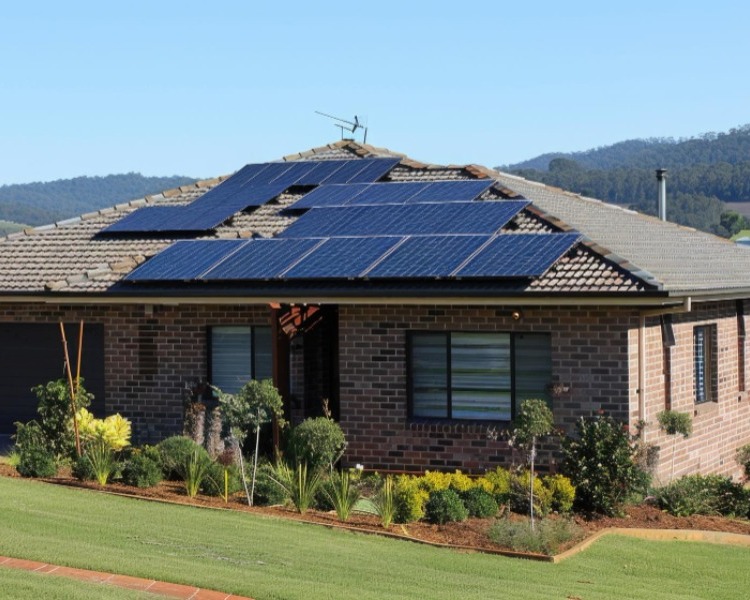
A Residential Solar System should be designed around the way a household actually consumes electricity. Selecting a standard package without reviewing consumption, roof space, and household requirements can result in a system that does not match expectations.
For homeowners considering solar in Nagpur, a few practical checks can make system selection considerably clearer.
Review Consumption Across Several Months
Start by collecting recent electricity bills.
Do not focus only on the bill amount because tariffs and charges can affect the final figure. Electricity units consumed provide a clearer indication of household energy requirements.
Reviewing multiple months also reveals seasonal variation. A home using air conditioners heavily during Maharashtra's warmer months may have substantially different summer and winter consumption.
Identify Major Household Loads
Consider which appliances account for significant electricity use.
These may include:
- Air conditioners
- Refrigerators
- Water pumps
- Washing machines
- Electric water heaters
- Kitchen appliances
- Computers
- Televisions
- Lighting
- Other electrical equipment
Understanding when these appliances are used can help create a clearer picture of the household's consumption pattern.
Measure Usable Roof Area
System capacity cannot be considered separately from available installation space.
A site survey should identify roof dimensions, shaded sections, water tanks, staircase structures, parapets, nearby trees, adjacent buildings, and other obstacles.
Homeowners should also consider whether they need to retain open terrace space for other purposes.
Compare Complete System Specifications
Once the required capacity has been estimated, compare complete solar proposals rather than only panel brands.
The proposal should explain the panels, inverter, mounting structure, cables, protection equipment, installation work, warranties, and service provisions.
Ask why each major component has been selected. A technically clear explanation is more useful than a quotation containing only product names and a final amount.
Consider Future Electricity Consumption
A system based only on today's electricity bill may not reflect future household requirements.
Before finalizing capacity, think about likely changes such as additional air conditioners, new rooms, increased occupancy, electric appliances, or other planned loads.
This does not mean automatically oversizing the system. It means discussing foreseeable consumption changes during the planning stage.
Check Maintenance Practicality
Residential rooftops are frequently multipurpose spaces.
Panels should be positioned so essential roof areas remain accessible. Cleaning and inspection should also be practical.
In dusty conditions found during parts of the year in Nagpur and the wider Vidarbha region, periodic cleaning can help keep panel surfaces clear.
Ask About Monitoring
Many modern solar systems provide ways to observe basic generation information.
Monitoring can help homeowners understand whether their system is producing electricity and identify unusual changes that may deserve inspection.
Greenergy Solar System works with homeowners seeking rooftop solar solutions suited to their individual electricity requirements and property conditions.
Before choosing a residential solar system, homeowners should be able to answer four basic questions: how much electricity does the household use, how much usable roof space is available, what system capacity has been recommended, and exactly what equipment is included?
When those answers are clear, comparing residential solar options becomes far more practical and less dependent on generic package pricing.
Keywords