A Solar Panel Installation involves several stages before the system begins producing usable electricity. Understanding these stages helps homeowners, businesses, institutions, and industrial customers know what should happen between the initial site assessment and final commissioning.
The installation process should begin with planning rather than immediately fixing panels onto a roof.
Site Assessment Comes First
A site inspection allows the solar provider to understand the physical and electrical conditions of the property.
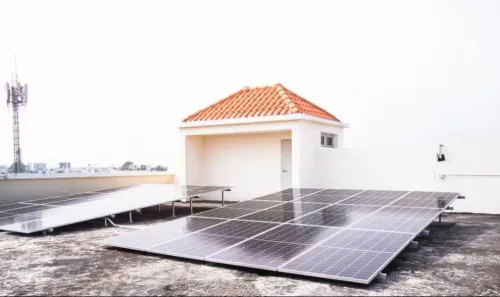
The assessment may cover roof dimensions, orientation, shading, structural conditions, existing electrical infrastructure, suitable inverter placement, cable routing, and safe access.
For properties in Nagpur, rooftop conditions can differ considerably between independent homes, apartment-related facilities, commercial buildings, warehouses, schools, and factories.
A site-specific layout is therefore preferable to using the same installation approach everywhere.
Electricity Consumption Is Reviewed
Past electricity bills help determine how much electricity the property consumes.
The provider may review monthly units, load details, usage patterns, and relevant connection information. Commercial and industrial customers may require a more detailed load assessment because their consumption can vary according to operating hours, machinery, shifts, or seasonal demand.
The proposed solar capacity should reflect these conditions.
System Design Defines the Layout
Once site information has been collected, the system can be planned.
Design considerations may include:
- Number of panels
- Panel positioning
- Mounting configuration
- Inverter capacity
- Cable routes
- Electrical protection
- Earthing
- Maintenance access
- Space between rooftop obstacles
A good layout attempts to use available sunlight effectively while keeping the installation practical for long-term operation.
Mounting Structure Is Installed
Solar modules require a secure supporting structure.
The mounting design depends on factors such as roof type, installation configuration, module dimensions, and site conditions. Correct alignment is important because the structure needs to support the panels throughout years of outdoor exposure.
Installation quality at this stage can affect the stability of the entire array.
Panels Plus Electrical Components Are Connected
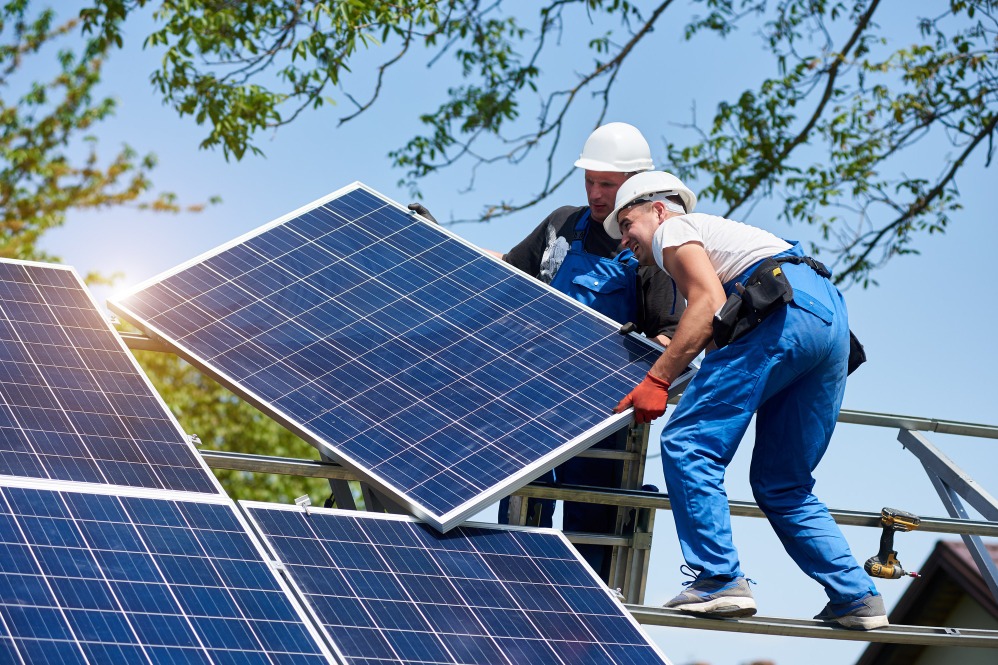
After the mounting structure is ready, solar modules are installed and electrically connected according to the approved system design.
The inverter, cables, protective devices, earthing equipment, and other required components are then integrated.
Cable management deserves attention. Exposed or poorly routed wiring can create maintenance difficulties and reduce the professional quality of an installation.
Testing Takes Place Before Operation
The system should be inspected and tested before regular operation.
The commissioning process can include checking connections, inverter operation, protection equipment, monitoring functionality, and initial generation.
Customers should also be shown how to understand basic system status indicators or monitoring information where such features are available.
Documentation Should Not Be Ignored
Depending on the installation type, customers may need equipment specifications, warranty documents, invoices, system information, and applicable approvals or electricity-related documentation.
These records can become important later for service or warranty requirements.
Greenergy Solar System handles solar installation requirements for properties in Nagpur and across Vidarbha. A professional installation should connect technical design with actual site conditions rather than treating installation as only a panel-mounting job.
Before work begins, property owners should understand the proposed capacity, equipment, layout, scope of installation, expected project stages, and after-installation support.
That preparation makes the solar panel installation process easier to evaluate from the first site visit through commissioning.
Keywords