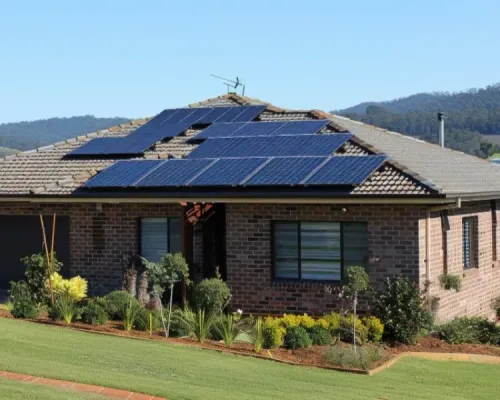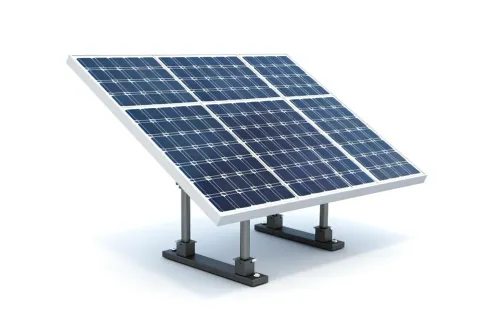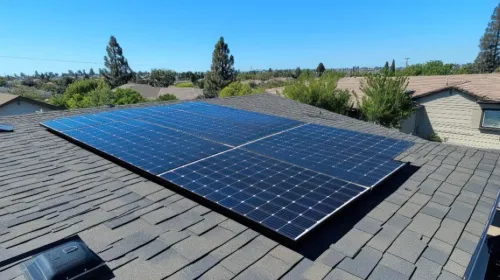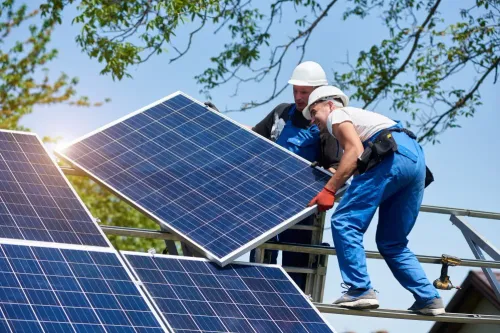
Electricity consumption has become a significant operating expense for homes, shops, offices, institutions, factories, and commercial properties. A Solar Power System offers a practical way to generate electricity from sunlight while reducing the amount of power that needs to be drawn from the conventional grid.
For property owners in Nagpur and other parts of the Vidarbha region, understanding how a solar system works is useful before deciding whether a rooftop or larger solar installation is suitable.
How Solar Electricity Is Generated
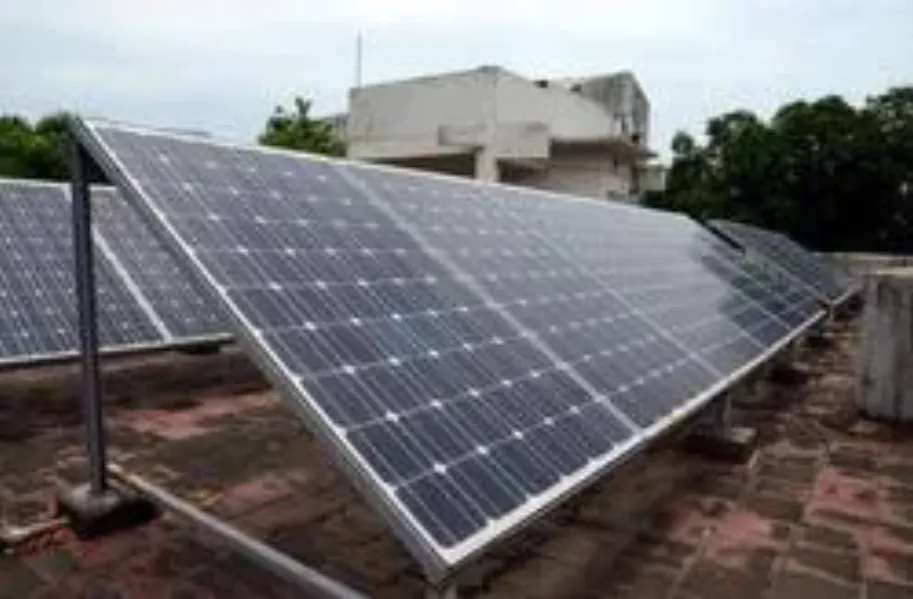
A solar power system begins with photovoltaic panels installed in a location that receives sufficient sunlight. These panels convert sunlight into direct current electricity.
An inverter then converts this electricity into alternating current suitable for common electrical equipment. Depending on the system configuration, generated electricity may be used immediately, exported to the grid where applicable, or managed through additional equipment.
A typical system may include:
- Solar photovoltaic panels
- Solar inverter
- Module mounting structure
- DC cables
- AC cables
- Electrical protection equipment
- Earthing system
- Monitoring equipment
- Metering components where applicable
Every component has a specific role, which is why system design matters as much as panel selection.
Why Roof Assessment Matters
Installing more panels does not automatically create a better solar system. The available roof area, orientation, structural condition, shadows, panel layout, and electrical consumption all influence system planning.
Trees, nearby buildings, water tanks, parapet walls, and other rooftop structures may create shadows at different times of the day. Even when a roof looks open during one inspection period, its solar exposure should be considered carefully.
The mounting arrangement also needs sufficient strength to support the panels while maintaining suitable access for inspection and cleaning.
Solar Capacity Should Match Actual Requirements
One of the first questions property owners ask is how many kilowatts of solar capacity they require.
There is no universal answer. A household with moderate electricity use has very different requirements from a manufacturing facility operating machinery throughout the working day.
Electricity bills can help establish:
- Monthly energy consumption
- Seasonal consumption changes
- Typical electricity expenditure
- Existing sanctioned load
- Daytime usage pattern
This information allows the proposed system capacity to be based on actual consumption rather than assumptions.
Different Properties Need Different Designs
Residential systems commonly focus on reducing household grid consumption while making efficient use of limited rooftop space.
Commercial properties may have larger daytime loads from air conditioning, lighting, computers, equipment, lifts, or other facilities. Industrial systems can require considerably more detailed planning because of higher loads, larger roof areas, operational requirements, and electrical infrastructure.
Institutions such as schools, hospitals, warehouses, and community facilities may also benefit from designs based on their individual operating schedules.
Long-Term Performance Requires Proper Planning
Solar panels are designed for long-term use, but satisfactory system performance depends on more than installing equipment.
Panel quality, inverter compatibility, mounting strength, cable sizing, electrical protection, workmanship, maintenance access, and monitoring all influence the installation.
Dust accumulation is another practical consideration in Nagpur and surrounding areas. Periodic panel cleaning may be required to maintain effective sunlight exposure.
Greenergy Solar System works with residential, commercial, institutional, and industrial solar requirements across Nagpur and the wider Vidarbha region. Before selecting any system, customers should focus on technical suitability rather than simply choosing capacity based on price.
A properly planned solar power system starts with understanding electricity consumption, available installation space, site conditions, and expected usage. When these factors are evaluated together, solar becomes a more practical part of long-term energy planning.
Keywords