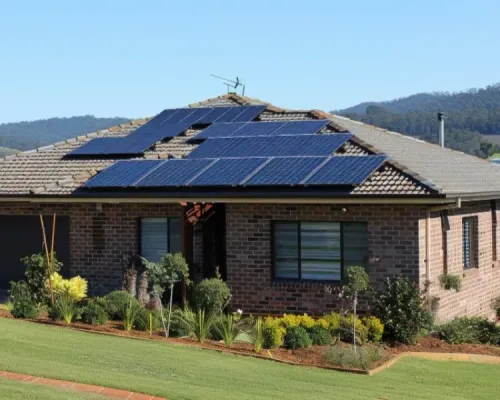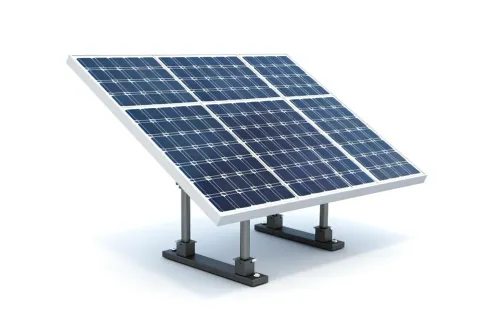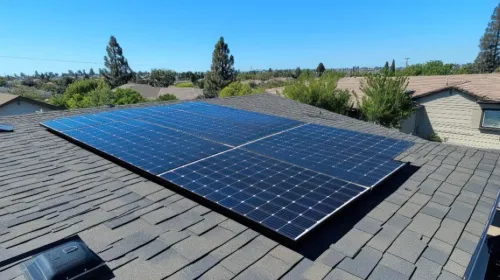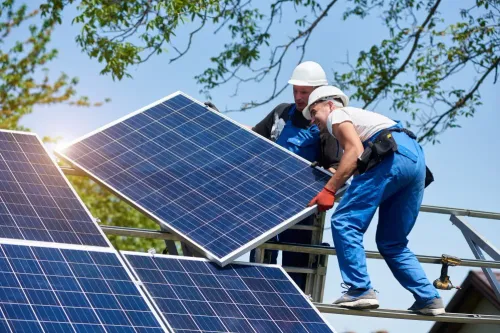
Installing Solar Panels for Home use can reduce reliance on grid-supplied electricity, but first-time buyers often have questions about capacity, rooftop requirements, equipment, maintenance, and expected generation.
Rather than beginning with a particular panel brand or system size, homeowners should first understand their electricity usage and property conditions.
Start With Your Electricity Bills
Recent electricity bills provide useful information for solar planning. Look at consumption over several months instead of relying on a single bill.
Electricity usage may change because of air conditioning, water heating, additional appliances, family occupancy, or seasonal conditions. Reviewing a longer period gives a more realistic picture.
For homes in Nagpur, summer electricity consumption can be particularly important where cooling equipment contributes substantially to monthly usage.
Check Available Rooftop Space
A roof suitable for solar panels should receive adequate sunlight for a significant part of the day.
Before planning an installation, consider:
- Roof dimensions
- Permanent shaded areas
- Water tanks
- Staircase structures
- Nearby buildings
- Trees
- Antennas
- Existing rooftop equipment
- Future construction plans
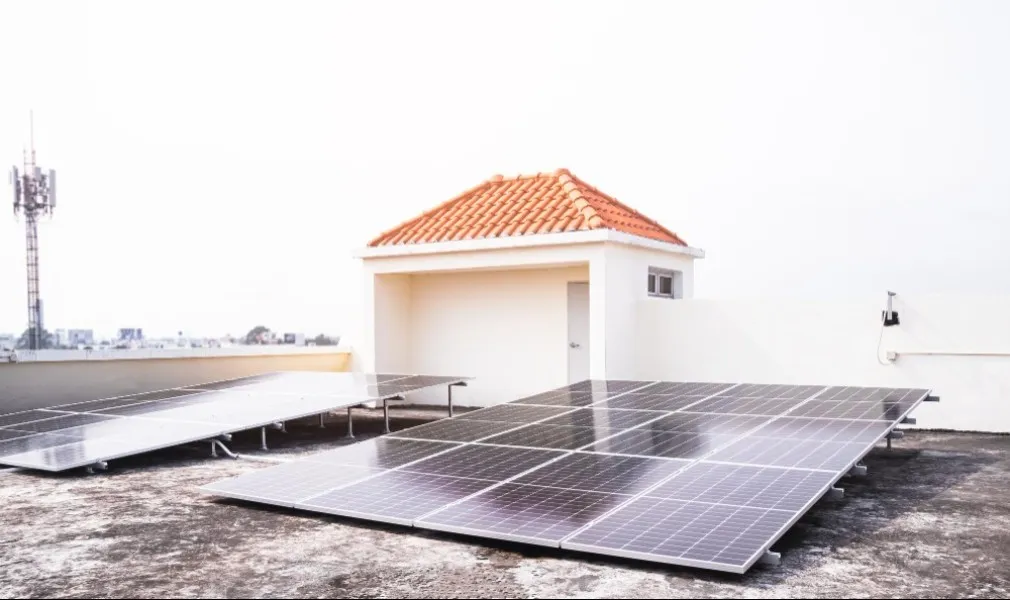
Panels also require suitable spacing and a mounting structure. Some roof area may need to remain accessible for maintenance or household use.
Understand the Main Equipment
Home solar installations involve more than photovoltaic modules.
The inverter is a critical component because it manages conversion of the electricity generated by the panels into usable AC power. Mounting structures secure the modules, while electrical protection components contribute to safe system operation.
Cables, connectors, earthing, distribution arrangements, and monitoring components should also be selected according to the system design.
Buying panels without considering the complete system can therefore lead to an incomplete comparison.
Ask How Capacity Is Calculated
A residential solar system should be planned according to electricity consumption, available installation space, site conditions, and applicable electrical requirements.
If a homeowner chooses an unnecessarily large system, available roof area or electricity usage may not justify the investment. An undersized system may generate less energy than the household expected.
A site survey combined with an electricity bill assessment provides a stronger basis for determining capacity.
Consider Maintenance Access
Solar panels are exposed to outdoor conditions throughout their working life. Dust, leaves, bird droppings, and other deposits can reduce the amount of sunlight reaching the panel surface.
Nagpur's dry periods can make dust management an important practical consideration.
Panels should therefore be positioned so routine inspection and appropriate cleaning can be performed without unnecessarily difficult access.
Look Beyond the Panel Rating
A panel's wattage is important, but it should not be the only buying criterion.
Homeowners should also understand:
- Manufacturer specifications
- Product warranty terms
- Performance warranty conditions
- Inverter specifications
- Mounting material
- Safety equipment
- Installation workmanship
- Service support
- Monitoring options
A reliable installation is created by combining compatible components through suitable system design.
Greenergy Solar System provides solar solutions for homeowners in Nagpur and the Vidarbha region, including system planning, equipment selection, and installation requirements.
For a first-time buyer, the most useful approach is to compare complete proposals rather than simply comparing the price of individual panels. Ask what capacity is proposed, why that capacity is suitable, which components are included, how the system will be installed, and what support is available afterward.
Those questions make it much easier to evaluate whether a home solar proposal fits the property and its actual electricity requirements.